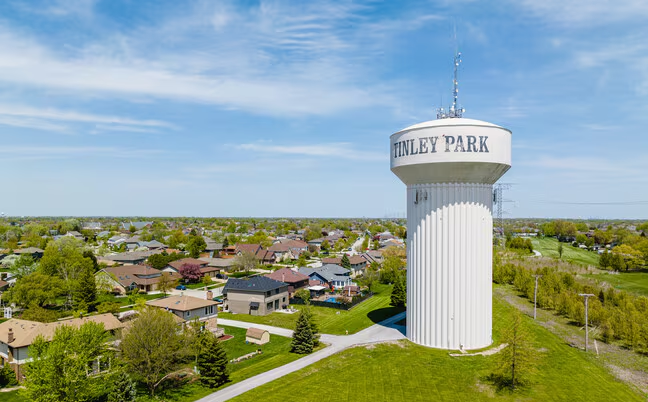
Cook and Will Counties, Illinois
Tinley Park Real Estate
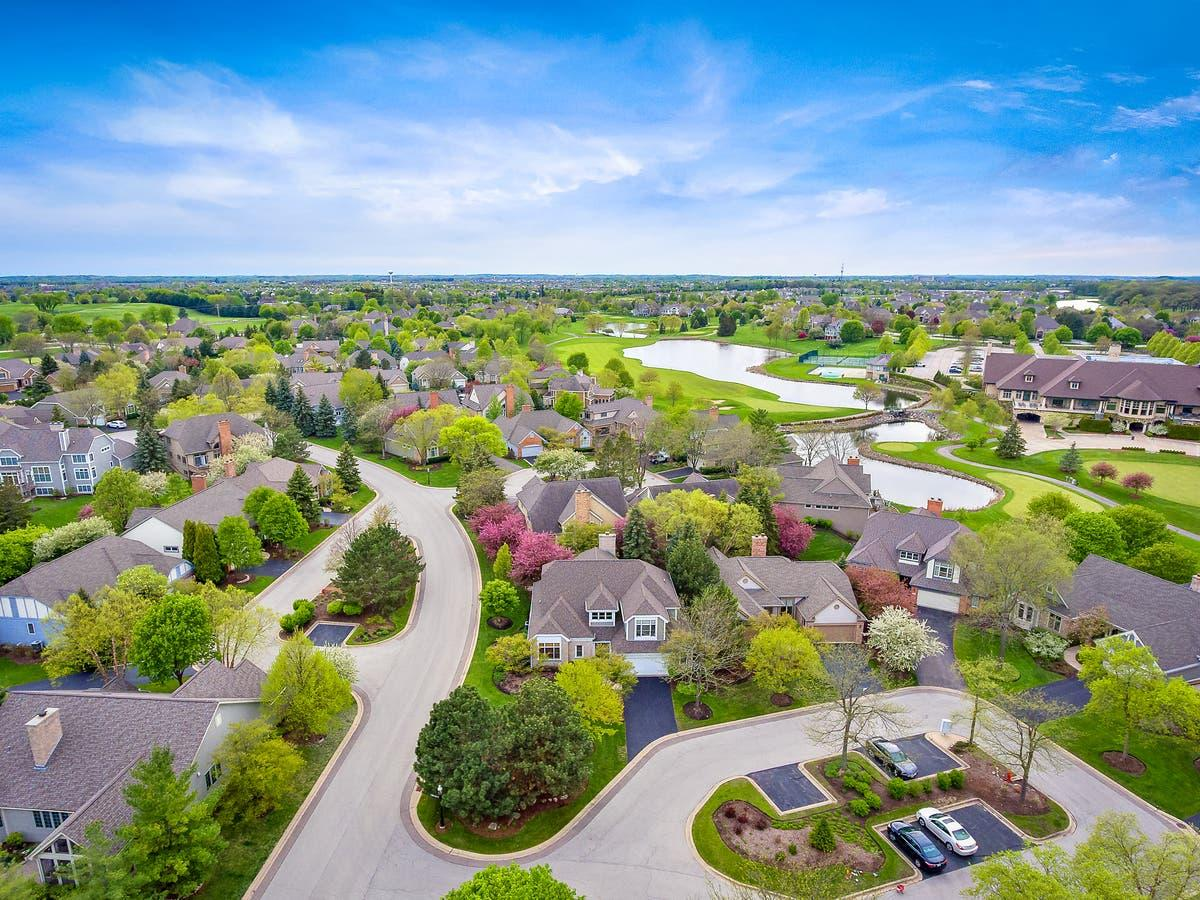
Tinley Park is a village of about 55,000 people roughly 30 miles southwest of Chicago, recognized for its restored downtown, two Metra stations, and some of the most attainable move-in-ready housing in the region. It attracts first-time buyers and commuters who want value without a long drive to everything.
$325K
Median sale price
21 days
Median days on market
2 stations
Metra service
Market snapshot
The Tinley Park housing market today
Tinley Park is one of the faster-moving markets in the southwest suburbs, largely because its price points sit below neighboring villages while the amenities remain comparable.
Median sale price
$325,000
Typical price range
$225K – $500K
Median days on market
21 days
Annual appreciation
5% – 7%
Common home styles
Bungalow, split-level, townhome
Inventory conditions
Tight, fast-moving
Most sales land between $225,000 and $500,000. Brick bungalows and split-levels make up the core of the market, with townhome communities providing a lower-maintenance option and newer construction on the western edge reaching the upper range.
The median home goes under contract in about three weeks, and updated properties near either Metra station frequently receive offers within the first weekend on market.
Appreciation has run in the five to seven percent range annually, slightly ahead of several neighboring towns, because entry-level buyers priced out of Orland Park and Frankfort continue to look here first.
Figures reflect recent activity in and around Tinley Park and are provided as general guidance. Individual homes vary by location, condition, and timing — call for a current, property-specific analysis.
Community & lifestyle
What living in Tinley Park feels like
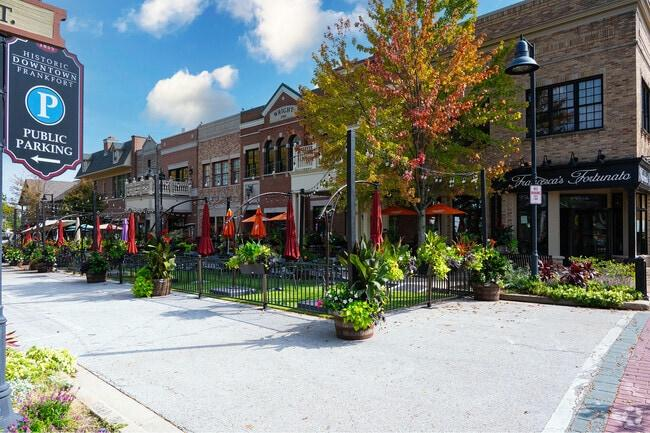
Tinley Park has spent two decades rebuilding its downtown, and the result is a village that feels active in the evening rather than purely residential.
Downtown and dining
Oak Park Avenue holds breweries, restaurants, and small shops within walking distance of the train, and the village calendar includes a long-running summer market and street festivals.
Parks and recreation
The park district maintains more than 40 sites, including the Tinley Park Recreation Center and Centennial Park, with sports leagues, aquatics, and trail connections through the village.
Schools and commuting
Elementary districts 140, 146, and 159 feed into Districts 228 and 230. Two Metra SouthWest Service stations, 80th Avenue and Oak Park Avenue, make the downtown commute straightforward.
The Credit Union 1 Amphitheatre brings major concerts to the village each summer, and Hollywood Casino Amphitheatre traffic aside, most neighborhoods remain quiet and family-oriented year-round.
Because Tinley Park spans both Cook and Will Counties, property tax bills can differ meaningfully between two similar homes a few streets apart. That distinction is worth reviewing before writing an offer.
For buyers
Why buyers choose Tinley Park
Buyers are drawn to Tinley Park because it delivers most of what the pricier suburbs offer at a lower monthly cost.
Attainable entry prices
Solid three-bedroom homes remain available under $300,000, which is increasingly rare within this commuting distance of Chicago.
Two-station commuter access
Living within a few minutes of a Metra station reduces both drive time and long-term transportation costs.
A downtown worth walking to
Restaurants, breweries, and events give residents somewhere to go on a Friday night without leaving the village.
Move-in-ready supply
A large share of the inventory has been updated in the past decade, which suits buyers who do not want a renovation project.
For sellers
Why sellers benefit in Tinley Park
Sellers benefit from the volume of buyer activity that Tinley Park generates at nearly every price point.
Deep entry-level buyer pool
First-time buyers, relocating renters, and downsizers all compete for the same well-kept homes, which supports pricing.
Short marketing times
A three-week median means less time living in a staged home and fewer carrying costs during the listing period.
Strong appreciation trend
Above-average gains in recent years mean many owners have more equity available than they assume.
Nearby